And how data helps you understand it?
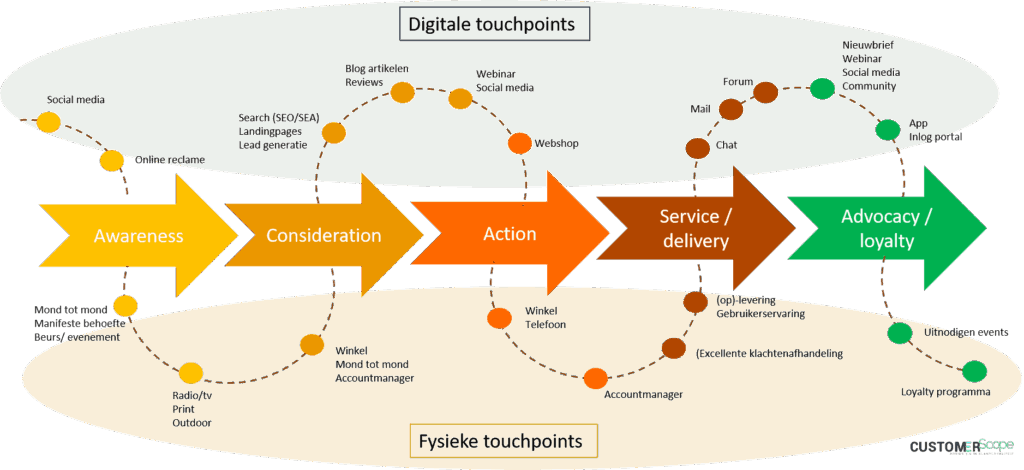
In the world of marketing and sales, a lot of attention is paid to the customer journey. But did you know that this journey actually starts much earlier than when a customer visits your website or buys a product? Realizing that the customer journey doesn’t start with your brand, but long before that, can help you work more effectively and make better decisions.
Many companies assume the customer journey begins when a visitor lands on their website or opens an app. In reality, this is just the tip of the iceberg. What happens before someone looks up your brand? Which steps have they already taken? Which alternatives have they considered? This information often lives in a “black box” that you don’t have direct access to.
Large platforms like Google and Meta can provide demographic data and general interests of your audience, but they don’t tell you exactly which content people have consumed or which other brands they’ve evaluated. As a result, you’re missing a crucial part of the customer journey story.
To truly understand how customers experience your brand and why they choose you (or don’t), it’s smart to conduct customer interviews—both with customers who stayed and those you lost. Especially in B2B, it’s extremely valuable to learn why a customer chose a competitor or why a prospect didn’t make it through the sales process.
You can also make much better use of your existing data. By combining tools like Google Analytics with heatmaps and session recordings from Hotjar or Microsoft Clarity, you gain not only quantitative insights but qualitative ones as well. This helps you see where visitors drop off, what they actually do on your site, and how you can improve their experience.
In practice, there isn’t one perfect customer journey—there are often hundreds of variations. These differences can depend on segments, stakeholders within an organization, or even the time of day. By mapping out these different journeys, you uncover optimization opportunities and can better align your marketing and sales efforts.
Data is incredibly valuable, but it never tells the full story. It’s important to recognize that many decisions and touchpoints happen outside your field of view. What happened before someone visited your website? Which competitors were also considered? These are “known unknowns” you should keep in mind when interpreting your data.
The customer journey doesn’t end after the purchase. What happens next? How do you ensure customers return, stay longer, or increase their lifetime value? Especially for subscription models and contracts, it’s crucial to understand the “churn journey” and intervene at the right time with the right offers and support.
As data and technology continue to grow, more and more tools are available to help you gain insights faster. From large BI platforms to tools like Microsoft Copilot and specialized AI solutions such as HiGem, which automatically detect patterns in your customer data and tell you exactly where to take action.